
The Theme of True Gentility
Little WomenThe novel contrasts external polish with inner generosity and gradually defines gentility as conduct under pressure.
increasing Bearing strength in each event
 decreasing
Bearing strength in each eventdecreasingClothes and Character
Appearance as Anxiety
Social Dress
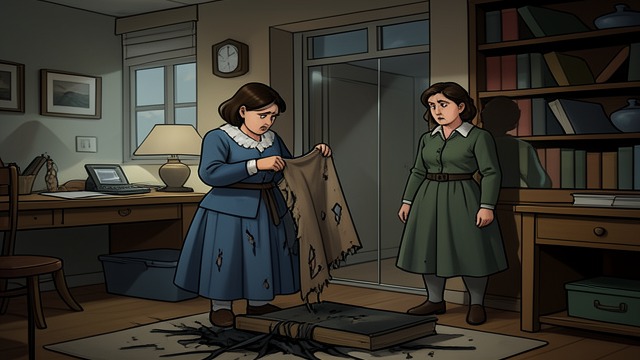
Margaret March worries over damaged clothes, gloves, and hair, while Josephine March resists fashionable expectations. Their clothing reveals competing fears about belonging.
Manners Tested
The party suggests that polish can ease social entry, but kindness and courage matter more than perfect appearance.
The Moffat Transformation
A Borrowed Lady
External Refinement
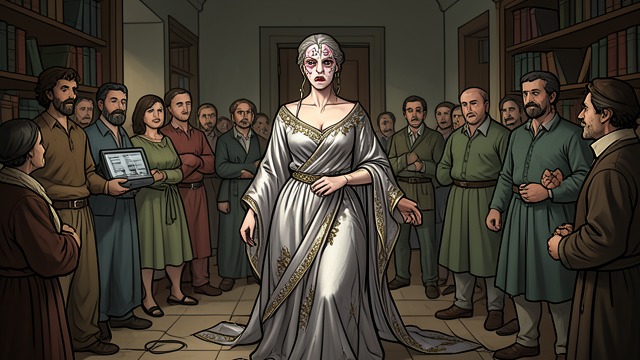
Margaret March is powdered, dressed, and displayed as a fine lady. She enjoys the admiration but feels increasingly artificial.
Honest Return
Laurie’s blunt criticism and Major Lincoln’s judgment expose the disguise. Margaret March chooses modest self-respect over borrowed elegance.
Amy’s Standard
Gentility Defined
Beyond Vanity
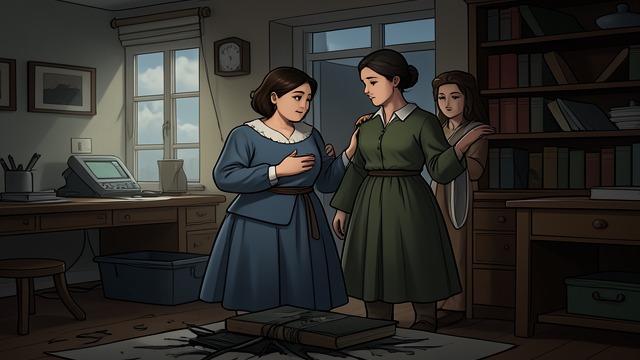
Amy Curtis March explains that she wants to be a gentlewoman in mind and manners, not merely a fashionable woman.
Practiced Nobility
Her forgiveness of May Chester gives the definition practical force. Gentility becomes conduct that rises above small meanness even when insulted.
The Professor’s Example
Character as Beauty
Humble Virtue
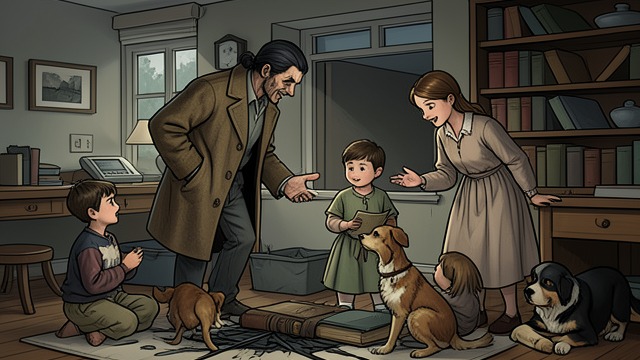
Friedrich Bhaer is poor, awkward, and plainly dressed, but his kindness to children, servants, and animals makes him beloved.
Moral Attraction
Josephine March learns that benevolence can beautify an ordinary face and worn clothes. Her romantic understanding becomes ethical before it becomes personal.
The Family Standard
Conduct Remembered
A Living Measure
The March family judges Theodore Laurence, Amy Curtis March, and Friedrich Bhaer by loyalty, generosity, and usefulness rather than rank.
The Lasting Ideal
True gentility becomes the family’s shared social ethic: respect the weak, serve others, and let love refine power.
the first New Year’s Eve party
the second evening at the Moffats
after the Chester fair
Jo’s New York winter
the final homecoming
